


Bowe proposes ending Zcash’s automatic grants funding
Zcash co-founder Sean Bowe proposes ending automatic funding for Zcash Community Grants (ZCG), which holds 91,452.98 ZEC and $8.8 million in U.S. dollar-denominated assets.

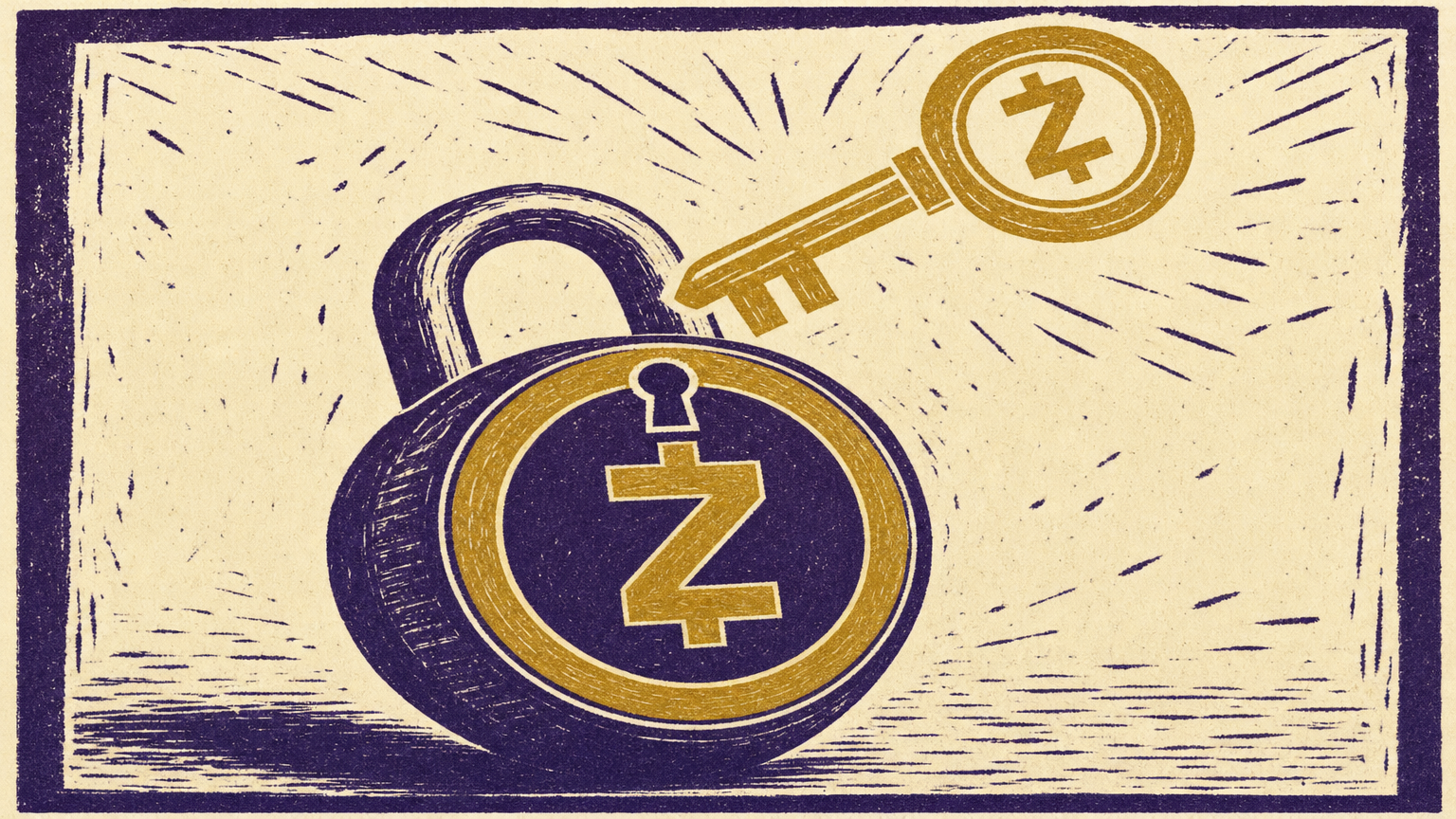
Zcash co-founder Sean Bowe has proposed ending the automatic funding stream for Zcash Community Grants (ZCG), which holds 91,452.98 ZEC and about $8.8 million in U.S. dollar-denominated assets. The proposal would redirect ZCG’s remaining 8% share of block subsidies to the Network Sustainability Mechanism. The Block’s report contains the reported proposal details.
The change would leave ZCG in control of its current assets. Its five-member committee, elected by a community advisory panel, could continue approving grants and meeting outstanding commitments.
“It’s time to turn off the ZCG funding stream,” Bowe wrote, according to The Block. He added: “ZCG has over $125M in funding, and will receive millions more before the spigot is turned off. The program was never designed to handle this amount of funding.”
That figure is an estimate tied to the illustrative price, while Zcash was trading at around $1,248 on Tuesday.
The current 8% allocation can produce more than $68 million in ZEC annually for ZCG. The automatic stream continues at about 144 ZEC per day, so the proposal would affect future funding rather than remove assets already held by the grants program.
ZCG’s reported first-quarter 2026 expenses provide a second scale comparison. The Financial Privacy Foundation reported $1.53 million in expenses for the quarter. Annualized, that is $6.12 million, making the stated $68 million annual allocation about 11.1 times the annualized expense figure. The calculation uses $68 million divided by $6.12 million.
The proposal leaves another funding channel unchanged: the separate 12% allocation to the Coinholder-Controlled Fund. Its stated target is therefore narrower than a rewrite of all Zcash subsidy allocations. The change concerns the grants stream and its proposed destination, the Network Sustainability Mechanism.
For teams seeking ZCG money, the immediate consequence is a future funding constraint once the automatic allocation ends. ZCG could still approve grants from its existing treasury and satisfy its outstanding obligations, but new awards would depend on those assets and the committee’s decisions rather than a continuing 8% inflow.
A current example is ZECsy. The team requested $550,000 for work spanning adult-industry events, crypto conferences and workshops, and the ZCG committee approved startup funding plus its first nine milestones, totaling about $461,500, according to CoinDesk’s report. That approved amount is $88,500 below the request.
The program began as Zcash Open Major Grants in 2020 and now operates under the ZCG name. Under the proposal, its next phase would rely on the treasury accumulated since then, while future block-subsidy funding would move elsewhere.
No activation date is assigned. The proposal is not included in the currently specified NU7 upgrade, meaning a future network upgrade would be required before the change could take effect. The Zcash community and ZCG committee’s response, along with the Network Sustainability Mechanism’s plans for redirected funds, remain unresolved.

Marcus Feld
Marcus Feld is CoinScoop's DeFi and on-chain analyst. He digs into L2 activity, stablecoin flows and protocol revenue, translating raw chain data into plain-English calls.