


CFTC Sets December Roundtable on 24/7 Derivatives Trading
The CFTC has scheduled a December 15 roundtable to discuss 24/7 derivatives trading, covering market structures, margin, and oversight.

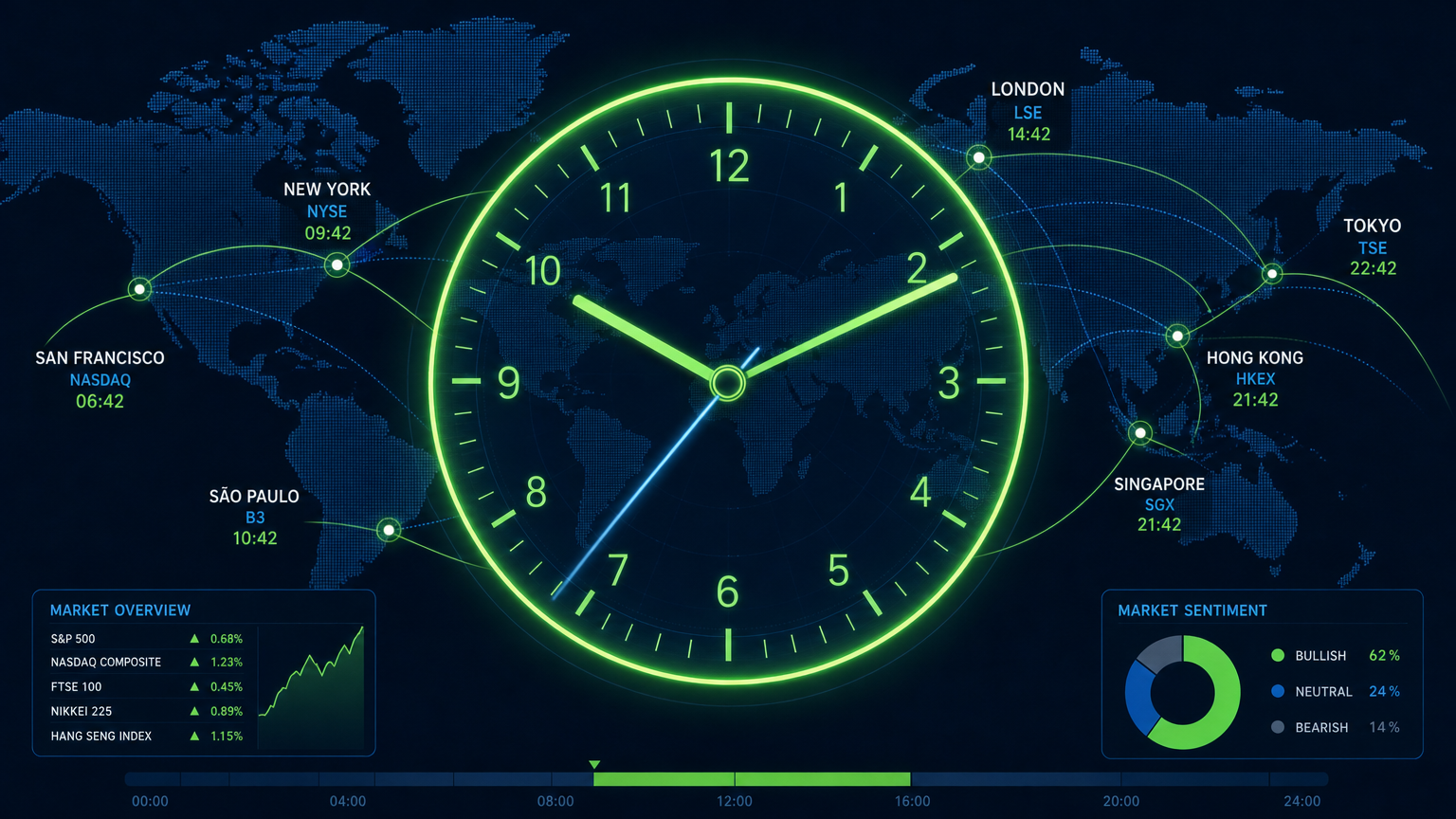
The CFTC has scheduled a December 15 roundtable on whether derivatives markets can move to 24/7 trading, making the mechanics of continuous markets a formal regulatory agenda item. The CFTC announcement says the session will run from 1 to 4 p.m. EST at CFTC Headquarters in Washington, D.C.
The meeting will cover evolving market structures, overnight and weekend trading, tokenization, margin, infrastructure and staffing needs, and operational readiness. It will be open to the public and livestreamed on CFTC.gov.
For exchanges and other market operators, that agenda reaches beyond whether a contract can trade continuously. It puts staffing, infrastructure, margin processes and readiness inside the discussion. Those are the areas where a 24/7 schedule could affect how venues run markets and how participants gain access to them, while the CFTC has not announced any specific rule or guidance resulting from the roundtable.
Chairman Michael S. Selig framed the meeting as part of the commission’s innovation agenda. “From the outset of my chairmanship, I have been clear the CFTC will promote innovation in our derivatives markets in a manner attentive to the nuances of these markets and the varied asset classes that underpin them,” Selig said in the CFTC release.
He added: “I look forward to hearing directly from industry stakeholders on the ways 24/7 trading would impact their respective business models to ensure the Commission is appropriately tailoring its regulatory regime for all market participants.”
The December session follows a CFTC Innovation Advisory Committee meeting on August 20, where perpetual contracts were discussed even though they were not on the published agenda. The committee discussion matters for crypto derivatives because the CFTC approved the first U.S.-listed perpetual futures contract on a digital commodity in May, then published a policy statement on listing perpetuals in June and issued staff guidance on continuous trading, according to CryptoTimes.
The market figures cited by CryptoTimes show why the December agenda has practical weight. The Hyperliquid Policy Center says perpetual markets deployed through its HIP-3 framework have accumulated more than $500 billion in notional trading volume across more than 80 markets. CryptoTimes also reported that the CFTC now regulates 30 designated contract markets, compared with 16 in 2003, with 17 applications pending.
That is 14 additional designated contract markets over the 2003 figure, an 87.5% increase calculated as (30 minus 16) divided by 16. CryptoTimes further reported that contracts traded under commission regulation rose from 2,100 in 2023 to 6,700, an increase of 4,600 contracts, or about 220% using the source’s calculation.
The policy question is contested. CryptoTimes quoted Tyler Winklevoss of Gemini saying that “perpetual contracts account for most global digital asset trading volume and that American firms have largely been unable to offer them, leaving US platforms at a disadvantage.” Terry Duffy, CME’s outgoing chief executive, was quoted saying that “perpetuals are a disaster waiting to happen.”
Those positions frame the roundtable’s central trade-off: continuous derivatives may expand access for U.S. firms, while the commission is examining the staffing, margin, infrastructure and oversight demands that come with markets operating overnight and on weekends. What emerges on December 15 will show whether the CFTC’s next step is further guidance, rulemaking, or a narrower operational response.

Marcus Feld
Marcus Feld is CoinScoop's DeFi and on-chain analyst. He digs into L2 activity, stablecoin flows and protocol revenue, translating raw chain data into plain-English calls.