


OFAC extends Iran sanctions to the digital assets sector
OFAC has extended Iran sanctions to the digital assets sector, marking the first U.S. sectoral determination covering Iran's digital assets, effective August 24.

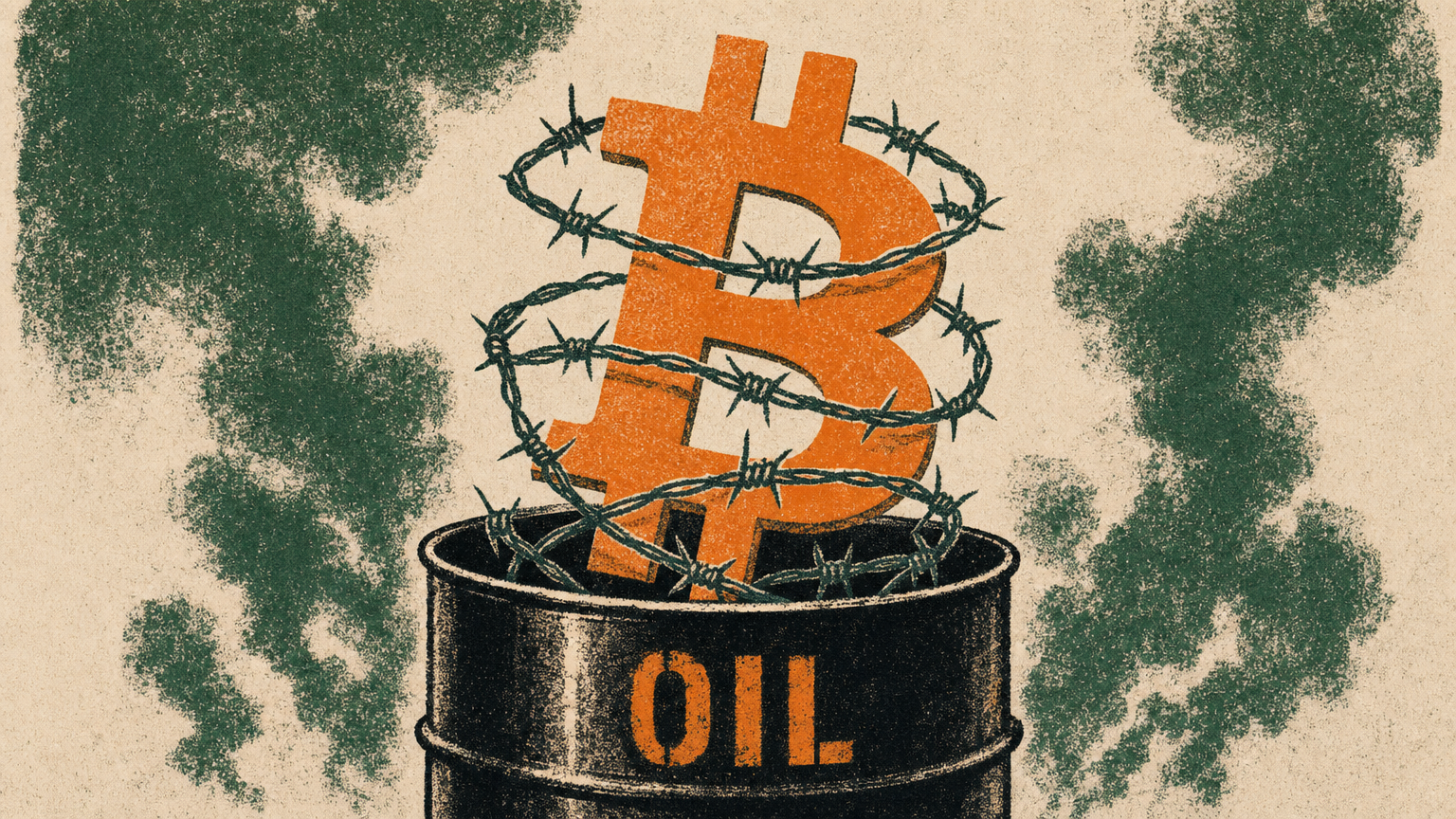
The date is August 24. That’s when OFAC issued and simultaneously made effective a determination placing Iran’s digital assets sector inside a sanctions framework that goes well beyond any named-entity list. The Federal Register determination, published in the Federal Register on August 27, covered five Iranian economic sectors: aviation, digital assets, gold, shipping and technology.
Digital assets account for one of those five sectors, or 20% of the listed categories. According to Chainalysis, OFAC can now sanction anyone globally who operates in or supports Iran’s digital assets sector without first establishing a separate link to terrorism, weapons proliferation or any other sanctioned party. The fact sheet says OFAC had previously designated crypto-related actors tied to Iran under other authorities; this is the first time it has used a sectoral tool for digital assets.
The determination arrived alongside Treasury’s launch of Operation Economic Outcast, a campaign targeting the Islamic Republic of Iran and its enablers with an explicit aim of cutting off financial lifelines.
For exchanges, OTC desks and infrastructure providers, that means secondary-sanctions exposure through activity tied to Iran’s digital assets sector, even where that activity has no separate connection to another sanctions category. The determination took effect on August 24, and the fact sheet identifies no separate compliance deadline. Foreign exchanges, OTC desks and infrastructure providers are therefore worse off immediately: the determination took effect on August 24 and exposes activity supporting Iran’s digital-assets sector to potential OFAC action.
OFAC designated Ivan Obukhov, a UAE-based Ukrainian national, for processing more than $100 million in cryptocurrency payments since 2023 to facilitate oil sales for the IRGC-Qods Force. Obukhov coordinated with Mohammad Ahmed Suhil Fattouh — known as “Captain Hamzah” — to acquire vessels for sanctions evasion.
The action’s scope goes further. Crypto-enabled trade payments and theft were also in scope, and OFAC separately targeted a group within Iran’s Ministry of Intelligence and Security for hacking U.S. critical infrastructure.
OFAC flagged BTC$81,676.00▼2.02%, ETH$2,413.56▼3.77% and TRX$0.3328▲1.31% addresses linked to MOIS group co-leader Behzad Mesri and members Keyvan Fayyaz Ghareh Blagh and Arman Kahzadian.

OFAC had previously designated crypto-related actors tied to Iran under other authorities, naming particular people or entities. It had never before applied a sectoral tool to digital assets. This determination doesn’t require establishing a tie to a named actor or separate prohibited activity — coverage runs through sector membership itself.
The MOIS piece ties to a Justice Department case unsealed six days before the sanctions release. A superseding indictment unsealed August 18 charged several members of the group with cybercrimes connected to the Mabna Institute. Mesri also faces accusations of attempting to extort HBO for approximately $6 million worth of BTC$81,676.00▼2.02% in a 2017 hack.
Treasury Secretary Scott Bessent described the operation as an “economic D-Day.” The document records that digital assets are one of five listed Iranian sectors and that the determination took effect on August 24.

Marcus Feld
Marcus Feld is CoinScoop's DeFi and on-chain analyst. He digs into L2 activity, stablecoin flows and protocol revenue, translating raw chain data into plain-English calls.