Solana Foundation launches institutional DvP settlement program
The Solana Foundation launched an open-source DvP settlement program for financial institutions, aiming for atomic transactions and finality in seconds.

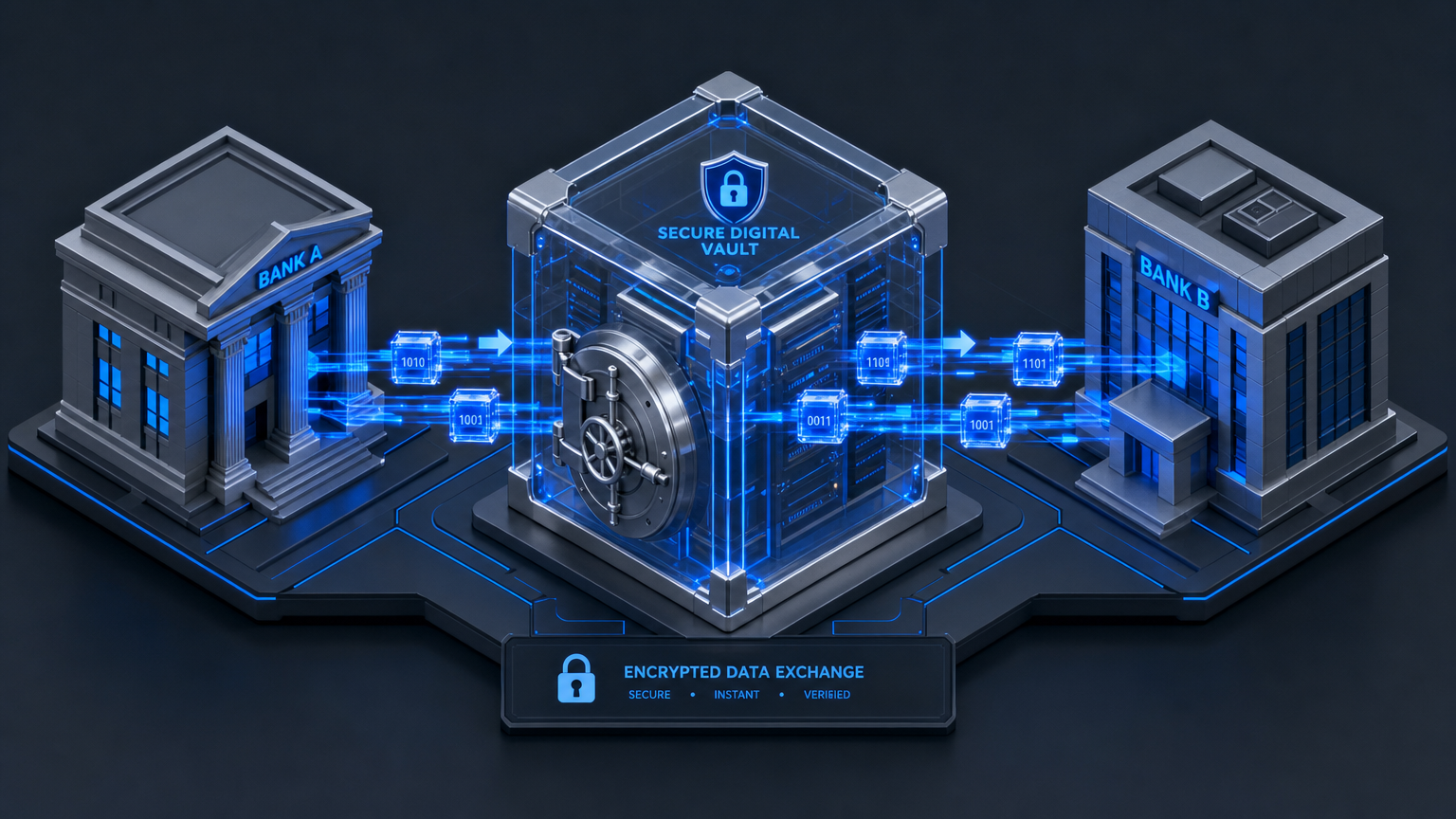
The Solana Foundation launched Solana DvP on October 6, an open-source escrow program that gives financial institutions an API for delivery-versus-payment settlement on Solana. It’s released under the MIT license, per the Solana Foundation’s announcement.
Rather than relying on bespoke smart contracts, institutions get one open standard API for on-chain trades. The goal, as the announcement describes it, is collapsing delivery and payment into a single atomic transaction — finality in seconds rather than the one-to-two-day cycle the Solana Foundation describes in its background material. The foundation’s one-to-two-day estimate is 24 to 48 hours; because it does not specify an exact seconds figure, the available material does not support a precise speedup multiple.
That directly addresses settlement exposure. Catherine Gu, Head of Product, Digital Assets at the Solana Foundation, wrote in the announcement: “Atomic settlement removes counterparty risk that is inherent in traditional finance. Solana DvP program provides institutions with one open standard across the Solana ecosystem, on public infrastructure, with finality in seconds instead of days.”
The program standardizes the escrow and API layer for on-chain delivery-versus-payment, though the announcement does not establish production adoption. Delivery-versus-payment requires asset and cash legs to move together, limiting principal risk when one side settles before the other. Solana DvP packages both legs into the same atomic transaction on Solana’s single global state machine.
J.P. Morgan contributed input on institutional settlement practices and requirements. Rhodel D’souza, the bank’s Head of Markets Digital Assets, said in the Solana announcement: “A shared, open standard for atomic delivery-versus-payment is exactly the kind of foundational infrastructure institutional market participants require to operate at scale without introducing settlement risk and counterparty exposure. We were pleased to contribute our settlement expertise.”
Worth noting: J.P. Morgan’s involvement here is described as contributing settlement expertise to the announcement, not a deployment commitment or a named production integration.
The program supports both SPL Token and Token-2022, including Token-2022 extensions such as permanent delegate, pausable tokens, and transfer hooks. The foundation says it has undergone external security audits. Privacy features for confidential trade settlements are planned, though no timeline or technical specification is provided.
In June 2025, Chainlink, J.P. Morgan’s Kinexys, and Ondo Finance completed a cross-chain DvP pilot involving Ondo’s tokenized U.S. Treasury fund and payment through Kinexys, according to Cointelegraph’s report. Solana DvP’s stated contribution is a public, MIT-licensed program intended to give institutions a common settlement API within the Solana ecosystem specifically.
No production-release timeline and no named early participants are provided in the foundation’s materials. Our assessment: the launch establishes an open settlement component and a stated design goal, not evidence of production institutional use. How quickly institutions actually use the program — rather than acknowledge it — is the question the announcement leaves open.

Nadia Rahman
Nadia Rahman is CoinScoop's Markets Editor. She covers Bitcoin, macro liquidity and the spot-ETF complex, and previously reported on rates and FX for a global newswire.